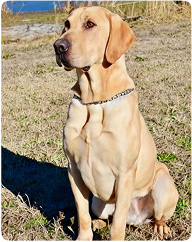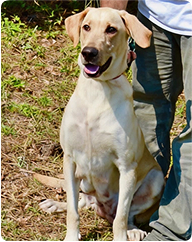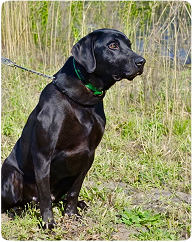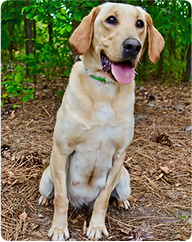
Few things match the joy of bringing home an American Lab puppy. With bright eyes, a wagging tail, and boundless energy, it is easy to see why this breed is one of America’s favorites. Raising a Lab goes beyond cuddles and cute photos. These dogs are smart, athletic, and deeply loyal, but they also have specific habits, needs, and quirks that first-time owners should understand.
Here’s everything that new owners should know before their puppy arrives: from their temperament and training to their health and long-term care.
The American Lab Personality
American Labs, often known as field-type Labradors, differ slightly from their English cousins. They are leaner, more energetic, and bred for active lifestyles. Their nature is eager, friendly, and affectionate, making them excellent companions for families and individuals alike.
Your American Lab puppy will be outgoing, curious, and eager to interact. These dogs thrive on attention and involvement in daily routines. Left alone for long periods, they can become anxious or destructive. Regular affection and engagement help them stay happy and well-balanced.
Exercise: The Foundation of a Happy Lab
American Lab puppies are built for activity from the moment they begin walking steadily. Daily exercise is important. Brisk walks, fetch sessions, swimming, and outdoor adventures stimulate both body and mind.
While puppies are full of energy, their joints are still developing, so avoid intense running in the early months. Focus on short, frequent activity sessions, gradually increasing stamina as they grow. Swimming is particularly beneficial, supporting joint health, burning energy, and connecting them to their natural retrieving instincts.
Training an American Lab Puppy
Training a Lab is a rewarding process because these dogs want to please their owners. However, their high intelligence also means they can be mischievous if not guided consistently. Start obedience training for Labradors early using positive reinforcement techniques such as small treats and verbal praise.
Consistency is your greatest tool. Commands like “sit,” “stay,” and “come” should be mastered early. This lays the foundation for advanced skills later, including leash manners and recall training. Group puppy classes are worth considering for additional socialization and learning.
House training is usually quick because Labs are eager learners. Set a routine for bathroom breaks, praise success, and avoid scolding. With patience, most puppies pick up good habits within weeks.
The Labrador Appetite
If there’s one thing every Lab owner eventually jokes about, it’s their puppy’s bottomless stomach. Labradors love food, which makes feeding time both easy and risky. Overeating can lead to obesity, a common problem for this breed.
Feed your puppy measured meals according to veterinary recommendations and stick to a fixed schedule. Avoid free-feeding. Choose high-quality puppy food with balanced protein and grain content to support rapid growth. As they mature, switch gradually to an adult formula as your vet advises.
Watch for sneaky food theft, a hallmark of Lab behavior. They’re experts at sniffing out treats left on countertops or grabbing a bite when you’re not looking. A firm “leave it” command will save you plenty of trouble.
Grooming the American Lab
Labs have a short, dense double coat that sheds year-round, more heavily during spring and fall. Regular grooming keeps their fur healthy and your home less furry. Brush them at least twice weekly and bathe only when needed.
You’ll notice that their coat resists water naturally, a trait developed from generations of retrieving in damp environments. After swims, always dry them thoroughly to prevent skin issues.
Check their ears regularly since Labs love water and can be prone to ear infections. Cleaning their ears gently with vet-approved solutions keeps them healthy. Don’t forget regular nail trims and teeth brushing; good habits in puppyhood create lifelong comfort later.
Health Matters and Vet Visits
American Labs are sturdy dogs, but like all breeds, they have certain health vulnerabilities. Common issues include hip and elbow dysplasia, eye conditions like progressive retinal atrophy, and obesity-related complications.
Routine vet checkups help monitor growth and detect problems early. Schedule vaccinations, parasite protection, and annual wellness exams without fail. As your puppy grows, your vet will guide you through spay or neuter timing and proper dietary adjustments.
Keeping your Lab at an ideal weight is key. A balanced diet, portion control, and an active lifestyle protect their joints and heart health.
The Social Side of a Lab
Labradors are famously gentle, making them wonderful family dogs. They love children, play well with other pets, and thrive on companionship. From puppyhood, expose them to different people and surroundings so they develop confidence in new situations.
Socialization shapes your dog’s temperament for years to come. Allow safe, positive experiences in parks, around other dogs, and with visitors at home. The more comfortable they are early, the calmer and friendlier they become as adults.
Labs also have a strong service instinct, which explains their popularity as therapy and guide dogs. While most family Labs won’t need to perform such duties, their natural empathy makes them emotionally intuitive companions.
Mental Stimulation for a Smart Breed
Intelligent dogs need mental engagement to stay happy. Without it, American Labs can become bored, which may lead to chewing furniture, digging in the yard, or persistent barking. Keeping their minds active with puzzles, scent games, and a variety of training exercises prevents unwanted behaviors.
Interactive toys, Kong-style feeders, and short fetch sessions encourage curiosity and problem-solving. Brief daily brain challenges are just as important as physical exercise. Rotate toys and activities regularly to maintain focus and interest.
Teaching new tricks or simple agility exercises makes training fun and strengthens your bond. American Labs enjoy demonstrating new skills and respond enthusiastically to praise and encouragement.
The Puppy Stage: What to Expect
The first year will test your patience and reward your heart in equal measure. Expect some chewing, accidental messes, and endless curiosity. Puppy-proof your home by keeping cords, shoes, and toxic plants out of reach.
Sleep patterns can be unpredictable early on. Create a quiet, cozy sleeping spot where your puppy feels safe. Crate training helps with security and house training if done properly.
Teething also arrives around the four-month mark. Offer safe chew toys to ease discomfort. Avoid old shoes or household items: Labs learn by association and might not stop at one sock.
Talk to Twin Lakes Kennel
At Twin Lakes Kennel, decades of focused breeding and hands-on training produce steady, talented American Lab puppies with heart and drive. We raise our puppies in ponds, streams, and open fields to develop confident, well-rounded dogs.
With more than 8,000 Labs bred and trained, over 200 titled as AKC Master Hunters, and 47 qualified for Master Nationals, our program is rooted in proven American field bloodlines and real-world performance. Puppies begin structured socialization early, and trained adults are available for families and hunters seeking a ready partner.
Visitors are encouraged to see and select their American Lab puppy in person. We do not maintain an online inventory. Once chosen, the puppy is flown to the new owner’s local airport.
American Lab puppies from Twin Lakes Kennel are bred for hunting, competitions, and companionship. Our owners, a husband and wife in their 70s, have over 45 years of breeding experience. Each puppy is an American field lab with superior DNA.
Our program has been featured on ESPN for three years, has multiple dogs in the Hall of Fame, and contributed to training IED detection dogs that helped save U.S. Marines in Afghanistan.
Call 910 462 3246 or visit us in Laurel Hill, NC to discuss bloodlines, training plans, or upcoming litters.