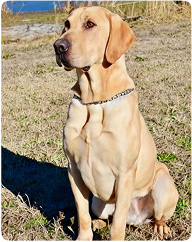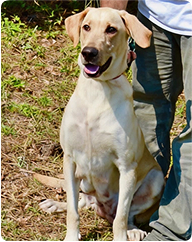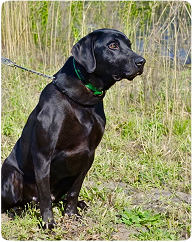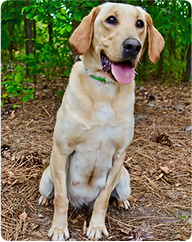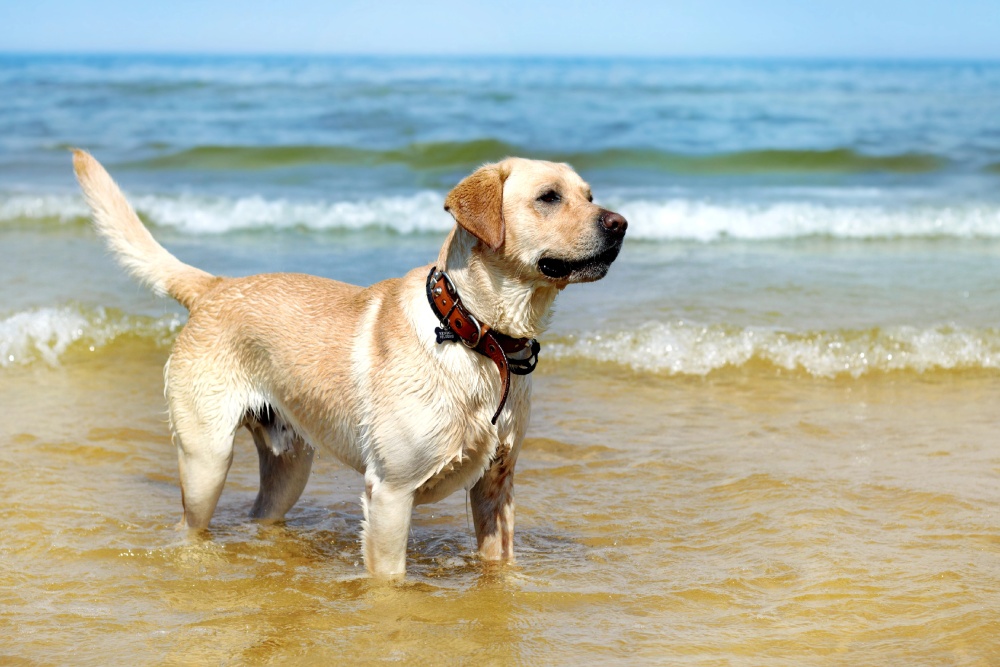
Labrador Retrievers have a habit of looking oversized and awkward as puppies, then maturing into strong, athletic adults.
Many owners find themselves asking “How big can Labradors get,” when fast growth slows, and what normal development looks like during the first year. Although every Labrador grows at its own pace, the breed follows a fairly consistent pattern from puppyhood into adulthood.
This guide walks through typical Labrador size, how growth changes by age, and the everyday factors that shape a Lab’s final height, weight, and build.
How Big Can Labradors Get?
Most adult Labradors land in a medium to large range, with a body built for swimming, retrieving, and long walks. Breed standards give a useful reference, but family pets can sit a bit above or below those numbers and still be healthy.
Adult height is measured at the shoulder. In general, males are taller and heavier than females, and they also tend to look broader through the chest and head. A lean Lab can look “small” next to a stockier Lab of the same height, simply because muscle and body composition change the silhouette.
Many adult males reach about 56 to 57 cm at the shoulder, while females often measure around 54 to 56 cm. Weight commonly ranges from 29 to 36 kg for males and 25 to 32 kg for females, with variation based on frame and conditioning.
How Fast Do Labrador Puppies Grow?
Labrador puppies grow rapidly during the first six months. Weight can increase weekly, and puppies frequently outgrow collars, beds, and harnesses in a short time.
From birth through about 12 weeks, steady gain and good body condition matter more than chart numbers. Growth often comes in spurts. Between three and six months, many Labs appear leggy and uncoordinated, which is normal. From six to twelve months, height gains slow while the body begins to fill out and proportions even.
Labrador Growth by Age: What to Expect
No single growth chart fits every dog, but age-based guidelines make it easier to recognize normal patterns. Many Labradors reach most of their adult height between eight and ten months, while changes in weight and muscle continue beyond that point.
Between two and four months, puppies often appear round and soft, with a noticeable puppy belly that shifts with meals and activity. From four to six months, the body lengthens, legs look noticeably long, and paws can seem oversized for the frame. During the six to nine month stage, adolescent Labradors may appear lean from certain angles even as the number on the scale continues to rise.
From nine to twelve months, a Lab is often close to adult height, though the body still shows adolescent traits. The chest gradually widens, the neck becomes thicker, and the overall outline turns more athletic. Most owners notice that the mature Labrador look develops over time rather than appearing suddenly.
When Do Labradors Stop Growing?
Most Labradors finish gaining height around twelve months, though some mature slightly earlier or later. Weight and body composition often continue to change until eighteen to twenty four months. This later stage reflects filling out and muscle development rather than added height.
Because Labradors are eager eaters, weight gain after the first year may result from excess calories instead of natural growth. Recognizing that difference matters, since a dog can appear larger while actually carrying unnecessary body fat.
Genetics and Line Type: Field vs. Show Labradors
Genetics establishes the general limits of a Labrador’s adult size. Observing the parents often gives a clearer picture than any growth chart, especially when you can see both their height and overall build.
Line type also influences appearance. Field-bred Labradors are often more streamlined, with a lighter frame and a very athletic outline. Show-bred Labradors often look stockier, with a deeper chest, broader head, and thicker bone. Both can be the same height while looking very different in photos.
Coat color, by the way, does not determine size. Black, chocolate, and yellow Labs can all grow to similar ranges when genetics and lifestyle are comparable.
Feeding and Nutrition: Supporting Healthy Growth
Nutrition plays a major role in how a puppy develops. A balanced puppy diet designed for medium to large breeds supports steady growth without pushing the body to mature too quickly. Rapid growth can increase stress on developing joints, particularly in a breed known for jumping and quick turns.
Portion control is just as important as food quality. Many Labrador puppies behave as if they are constantly hungry, even when they have eaten enough. Body condition is the best guide. You should be able to feel the ribs under a light layer of tissue, and the waist should be visible when viewed from above.
If a puppy appears to be gaining weight too quickly, or if stools remain soft and frequent, a veterinarian can help adjust feeding amounts. Food needs often change every few weeks during the first year.
Signs Your Labrador Is Overweight vs. Still Growing
Labradors are well known for their enthusiasm for food, and their friendly expression can make extra treats feel justified. Carrying excess weight, however, can reduce stamina and place additional strain on the hips, elbows, and spine.
A growing Labrador may briefly look thick through the middle, but the body should not feel consistently soft or heavy. If ribs are difficult to feel without pressure or the waistline disappears, it is time to reassess portions and treats. In contrast, adolescent Labradors often look lean and leggy during growth phases while remaining perfectly healthy.
If you are uncertain, a veterinarian can assess body condition and suggest a realistic target weight range for your individual dog rather than relying on breed averages.
Start Your Labrador Journey with Twin Lakes Kennel
If you are looking for a Labrador bred for natural drive and developed for real-life control, connect with Twin Lakes Kennel in Laurel Hill, North Carolina. With more than 45 years of hands-on experience and over 8,000 Labradors bred and trained, our program is built around proven American field bloodlines and a practical approach to raising reliable retrievers and family companions.
We encourage prospective owners to visit our kennel in person. Meeting us, seeing how our dogs live, and spending time with the litter helps you choose the puppy that truly fits your goals and lifestyle. We do not maintain a live online inventory, because we believe selection is best done face-to-face.
We’ve titled over 200 AKC Master Hunter Labrador Retrievers and qualified 47 dogs for the AKC Master Nationals. Share the color and gender you want through our contact form, or call (910) 462-3246 to talk about current and upcoming dogs.