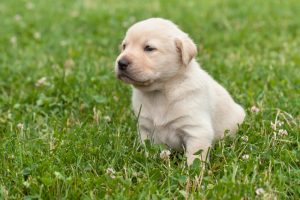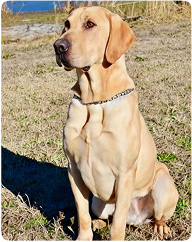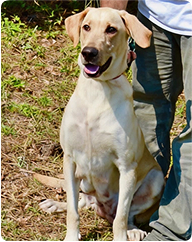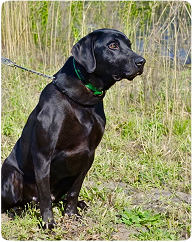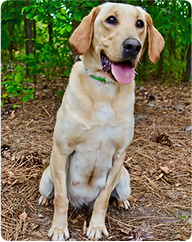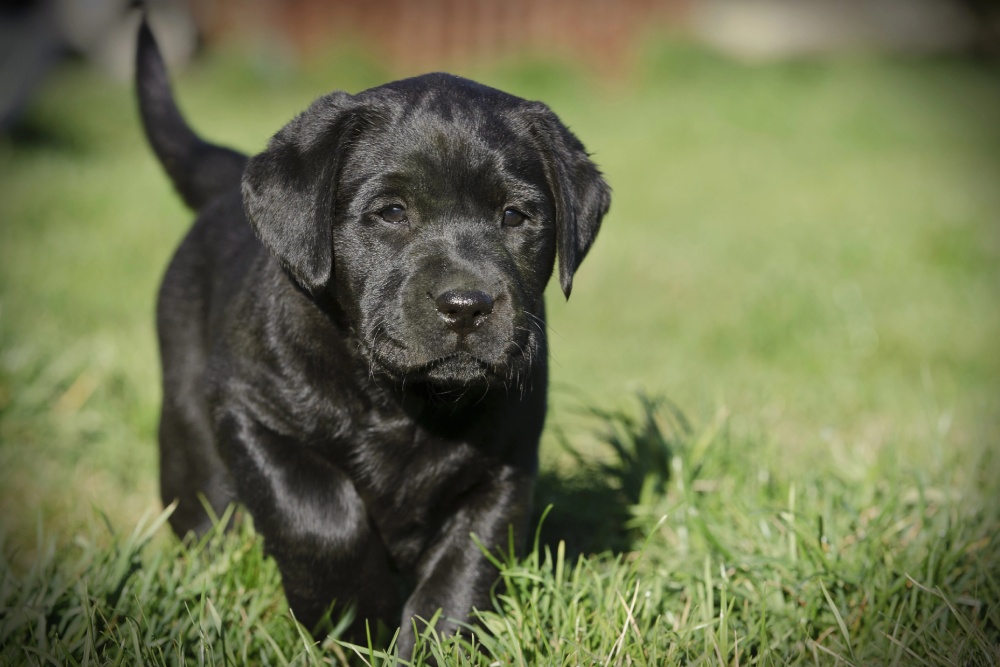
Black American lab puppies are often seen as athletic, confident, and eager to join whatever is happening around them. That reputation fits many households well, since American-line Labradors are commonly intelligent, people-focused dogs with a strong interest in play and work.
Coat color does not shape personality, yet black American lab puppies remain a popular choice for families who like a timeless appearance paired with an outgoing companion.
A family-friendly match comes down to two things: the puppy’s individual temperament and the home’s daily routine. When those align, a black American Lab can grow into the kind of dog that keeps up with kids, learns quickly, and settles into family life with impressive loyalty.
What “American Lab” Implies
In typical breeding discussions, “American Lab” refers to Labrador lines developed with greater focus on athletic ability and field performance. These dogs often have a lighter, more streamlined build than many show-focused Labs, along with higher stamina and play drive. For active families, that combination can be a benefit, since it supports activities like hiking, fetch, swimming, and training games.
That same energy also means a young American Lab may need more structured outlets than a lower-energy breed. The goal is not to wear the puppy out with nonstop activity. The goal is to give the dog predictable daily movement plus short training sessions that satisfy the mind.
Why Black Labs Feel “Family Perfect”
Families tend to love black American Lab puppies for a mix of temperament traits that show up often in well-bred Labradors.
Many show a social, affectionate nature and prefer staying close to their people rather than roaming independently. This closeness can be ideal for children who want a dog that follows them from room to room and enjoys being part of daily life.
Trainability also plays a big role. Labradors tend to respond well to reward-based methods and often enjoy learning new skills. When training feels fun to the dog, families find it easier to build polite habits like calm greetings, loose-leash walking, and settling quietly during meals.
Temperament: What to Look for in a Puppy
When meeting a litter, behavior should take priority over appearance. A strong family prospect typically shows healthy curiosity without becoming overwhelming.
This puppy may approach with a relaxed wag, recover quickly from unexpected noises, and display interest in people or toys. Puppies that withdraw, remain immobile for extended periods, or use excessively hard biting during play may be better suited to homes with more experienced handlers.
A responsible Labrador breeder can help match puppies to homes based on observations. Some puppies are bold and fast, while others are calmer and more people-oriented. Neither is “better.” The right choice depends on your household’s activity level, kids’ ages, and how much time you can devote to training.
Daily Life with Kids: Setting the Tone Early
Black American Lab puppies are not born with manners; they develop them through consistent guidance. During the early months, common challenges include jumping, mouthing, and periods of high excitement. These behaviors are normal for puppies, but they can be difficult for young children if adults do not actively manage interactions.
A clear, proactive approach is effective. Teach the puppy which behaviors earn attention rather than focusing only on corrections. Reward calm actions such as keeping all four paws on the floor, redirecting chewing to appropriate toys before hands become a target, and establishing a daily routine that includes scheduled rest in a crate or quiet space.
Children can participate by tossing treats for calm behavior, asking for a sit before petting, and pausing play when the puppy becomes overly mouthy.
Training That Fits Busy Families
Training does not need to be lengthy to produce results. Short sessions repeated consistently tend to be more effective than occasional long lessons. Early training should focus on skills that improve daily life, including name recognition, sit, down, recall, and polite leash walking. Introducing “drop it” early is especially useful, as Labradors naturally enjoy carrying objects.
Socialization is an equally important part of training. Puppies should be introduced to a variety of sights and sounds in a calm, controlled manner and at a pace they can manage. Pairing new experiences with treats and praise helps build confidence.
Puppies that learn early that the world is predictable and safe often grow into dogs that handle busy family environments with greater ease.
Exercise and Enrichment Without Overdoing It
American Labs generally enjoy activity, but growing joints require thoughtful management. Rather than long, forced exercise, choose age-appropriate activities. Short games of fetch, gentle tug with clear rules, and relaxed sniff walks allow the puppy to engage without physical strain. Swimming can also be an excellent option when introduced gradually and with proper supervision.
Mental stimulation is just as important as physical movement. Food puzzles, scent-based games, and basic obedience practice can leave a puppy satisfied and calm without placing stress on developing joints. Many behavior concerns in family settings stem from boredom rather than temperament.
Meet Your Black Lab at Twin Lakes Kennel
When you visit Twin Lakes Kennel in Scotland County, North Carolina, you meet us directly. We are a husband and wife team in our seventies, and we have spent more than 45 years breeding and training American Labrador Retrievers.
Our work has always focused on one goal: developing the American field lab with superior DNA that excels in real-world performance and family life. We breed only pure American Labradors, never English Labradors, and our dogs are carefully developed for hunting, competition, and dependable companionship.
Our experience is reflected in what our dogs have accomplished. Our breeding and training program was featured on ESPN for three consecutive years. We have produced multiple dogs inducted into the Hall of Fame, and we were part of the team that helped save the lives of U.S. Marines in Afghanistan through the training of IED detection dogs. Those achievements shape how we raise every litter, with attention to structure, drive, intelligence, and stability.
Our puppies grow up in a hands-on setting with natural terrain, streams, and ponds that support early confidence and learning. Daily handling, controlled exposure, and supervised play help us develop balanced, adaptable dogs suited for active families and serious sporting homes. All breeding pairs are screened for hips, elbows, eyes, and cardiac health to support long-term soundness.
Although we ship puppies nationwide, we strongly encourage buyers to visit us in person to meet the dogs and select their puppy themselves. We do not keep a live online inventory of available puppies. Once a puppy is chosen, we make arrangements for safe transport and fly the puppy to the new owner’s local airport for pickup.
We welcome you to schedule a visit, tour our kennel, meet the parents, and discuss your goals with us directly.